
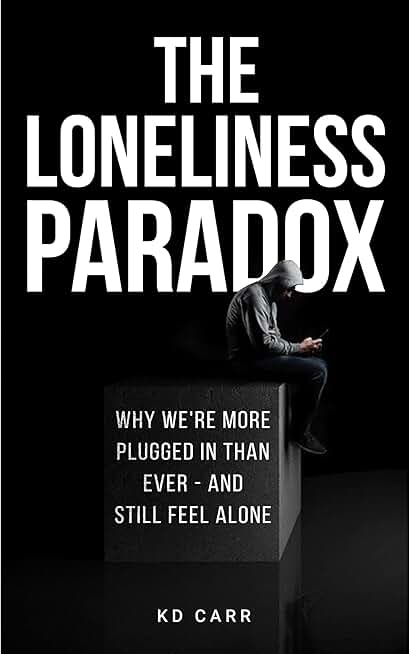

The Loneliness Paradox: Why We Are More Plugged In Than Ever, But Still Feel Alone
Xibonecana
Description
The Loneliness ParadoxWhy We’re More Plugged in than ever – and still feel alone.KD CarrIn a world more connected than ever through technology, it is startling that feelings of loneliness are growing . It’s time to break down the stigma of feeling lonely and reconnect… the right way!Imagine stepping onto a packed subway, barely able to move, but you feel completely disconnected. Or you’re at a party with all your closest friends, but it’s like nobody really gets you.You probably don’t even have to imagine—this is your daily life. Every interaction feels empty despite plenty of buzzing environments.As a way of protecting yourself, you start to withdraw from social events because it’s just easier that way. You scroll through social media looking at images of all those who seem to have perfect relationships with friends and family, only to realize that all the likes in the world aren’t going to fill the gap in your life.Many experts consider loneliness to be an epidemic, especially in the US, with as much as60%of adults sharing this feeling. This is no way to live!Social connections are a basic human need. They are essential for our mental and physical well-being. However, they don’t come naturally, and as the world becomes more and more digital, our face-to-face interactions fade.Despite how you feel right now, you aren’t broken and you don’t need fixing. What you do need is a research-based, empathetic guide to overcoming your loneliness and at your own pace. That’s exactly what you have here.In this handbook on loneliness in the modern world, you will discover:The profound psychology behind your loneliness and the cognitive biases that could be fueling itHow social media, culture, location, and age play a role in how you perceive and respond to feeling isolatedThe physiological consequences of loneliness and the toll it takes on your body and brainWhat it takes to get to know your true feelings and overcome fears to break the cycle of thoughts and behaviorsThe myths behind vulnerability and why it is critical for
Related Works

Episodes (4)
Introduction
8. Sustaining Meaningful Connections
Conclusion
End Credits