
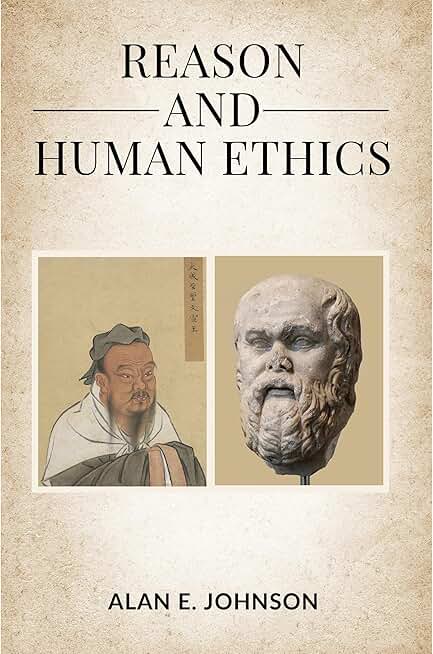

Reason and Human Ethics
فاتي🇲🇦❤️
Description
Reason and Human Ethicsargues that a secular, biological, teleological basis of human ethics exists and that reasoning and critical thinking about both ends and means are essential to human ethics. It examines how these principles apply in the contexts of individual ethics, social ethics, citizen ethics, media ethics, and political ethics.Chapter 1 (“What Is the Basis of Human Ethics?”) discusses the various theories of the basis of ethics over the millennia. It concludes that ethics is properly founded on a secular, biological, teleological understanding of human nature.Chapter 2 (“Human Reason”) begins with a discussion of how reason relates to secular teleology. It argues that reason is—contrary to much of modern philosophy and science—properly directed to human ends as well as means. It explains the differences between abstract and practical reasoning and between formal and informal logic. Unlike mathematics and physics, ethics involves practical reasoning and informal, nonsymbolic logic. The chapter concludes with an extended discussion of common fallacies and the importance of critical thinking.Chapter 3 (“Individual Ethics”) addresses the appropriate ethical orientation toward ourselves as individuals. It explains why we should want to be rational, how human reason is related to cerebral maturation, the life of reason, and general departures from a rational life. It concludes with a discussion of the ethical mean of Confucius and Aristotle and how that mean properly applies to such moral virtues as courage and moderation.Chapter 4 (“Social Ethics”) considers how individuals should think and act regarding other human and nonhuman beings. This chapter discusses when we should or should notexpressethical judgments about others, the merits and limitations of the Golden Rule, prejudice and discrimination, veracity, friendship, romantic relationships, family, work, business ethics, environmental ethics, the ethical treatment of nonhuman animals, and issues regarding force and fraud.Chapter 5 (“Citizen and Media